

Three card poker rewards pace and discipline more than luck alone, and the right setup matters as much as your hand. When you settle in for an arvo session, you want clean navigation, steady performance, and a layout that does not fight your bets. I have spent twenty years running esports operations and iGaming product lines, including Stake.com partnerships, so I judge tables by how they hold up when the action gets busy, not by flashy banners.
Reading the table and the mobile fit
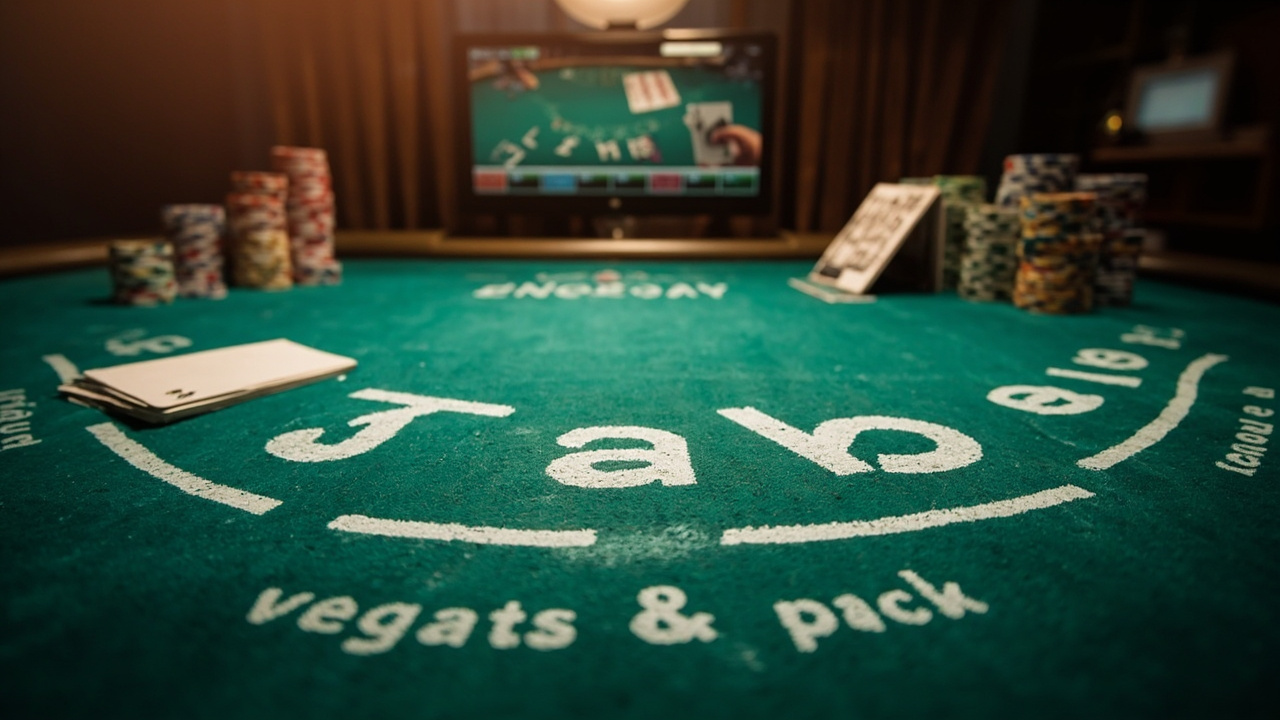
The first thing I check is how the table behaves on a phone, because most hands are played between buses and coffee runs. A responsive browser or app should keep the ante, pair plus and play buttons within a thumb’s reach, with the dealer card and your hand visible without zooming. Performance matters too; if the feed lags when the deck refreshes, you are guessing instead of reading the rhythm. I compare this to esports broadcast infrastructure, where a half-second delay can turn a clean call into a missed rotation, and the same discipline applies here. You want navigation that stays put when you switch between bet sizing and history, not a menu that shifts under your thumb. If the session feels as busy as a Friday night at a Newcastle pub, you need a layout that does not add friction. For a closer look at how volatility shapes your expectations, trippysche.com breaks down the practical side without the usual noise.
Bet sizing, odds and the real maths
Three card poker is not a game you beat by chasing every deal, so I size bets around the two main lines and the house edge on each. The ante and play bet is where the hand comparison happens, while pair plus pays for specific combinations regardless of the dealer, which means the two lines carry different risk profiles. I keep the pair plus stake conservative when the table runs cold, because that side bet is where variance bites hardest. The strategy is closer to bankroll management in esports sponsorships than to a lucky streak; you protect the runway, you do not overcommit on a single hand. A solid read on the volatility side helps here, and the piece on three card poker alta volatilità lays out what that actually means for your chips. I also keep the old one-armed bandit lesson in mind, because the term comes from the side lever and the machine’s habit of taking players’ money, and that same caution applies when a side bet looks tempting.
Rules, payouts and the local backdrop
Before you put chips in, you need the payout table and the dealer qualification rule locked in, because that is where the edge lives. The dealer usually needs a queen-high or better to play, and if they do not qualify, you collect on the ante at even money while the play bet pushes. Pair plus pays on your own hand, so the table can look generous while the main line stays tighter, and I always check the exact percentages before I commit. I judge this the same way I assess a product launch: the headline numbers matter, but the fine print decides whether the thing holds up under pressure. You should also know where you stand with local oversight, because the Victorian royal commission let Crown Melbourne keep its licence under strict oversight, and that kind of scrutiny is the reason I look for clear terms rather than big promises. I do not treat offshore play as licensed or regulated in Australia, so I keep my expectations grounded in what the table actually offers.trippysche.com
Accounts, limits and the practical routine
A clean account setup makes the difference between a focused session and a messy one, and I treat registration and verification as part of the game plan, not a hurdle to rush. I want payments in a currency that matches my bankroll, support that answers in a reasonable window, and a loyalty structure that does not distract from the table. The practical routine is simple: set deposit limits first, because deposit limits are mandatory features on Australian betting accounts, and that is a fair go for anyone who wants to keep the session under control. I size my buy-ins around the table minimums, track my results in a note rather than my head, and step back when the pair plus line starts eating more than it should. If you want a the summary second read on the volatility angle before you commit, the guide on three card poker alta volatilità is worth a look. I reckon the players who last are the ones who treat the table like a product they are testing, not a jackpot they are chasing.Three Card Poker Alta Volatilità: A

The best approach is to play the table you can read, keep the pair plus stake modest, and let the ante and play line do the work when the dealer qualifies. You will not control the deal, but you can control the size of the bet, the speed of the session, and the moment you walk away.


Leave a reply